Hercules — Herakles in the original Greek — is the strongman of Greek mythology, but the story that actually made him legendary was not his strength. It was what he did with twelve consecutive, deliberately impossible tasks after the worst thing he had ever done.
Quick answer: the 12 Labors were a set of near-impossible tasks — assigned by King Eurystheus on the advice of the Oracle of Delphi — that Hercules completed as penance after killing his own wife and children in a fit of madness sent by the goddess Hera. In order: the Nemean Lion, the Lernaean Hydra, the Ceryneian Hind, the Erymanthian Boar, the Augean Stables, the Stymphalian Birds, the Cretan Bull, the Mares of Diomedes, the Belt of Hippolyta, the Cattle of Geryon, the Apples of the Hesperides, and Cerberus.
Hercules was the son of Zeus, king of the gods, and Alcmene, a mortal woman — which made him a demi-god from birth, and a target for Hera, Zeus’s wife, for exactly as long. She sent two serpents to kill him in his cradle; he strangled them both as an infant. That was the first sign of what he was.
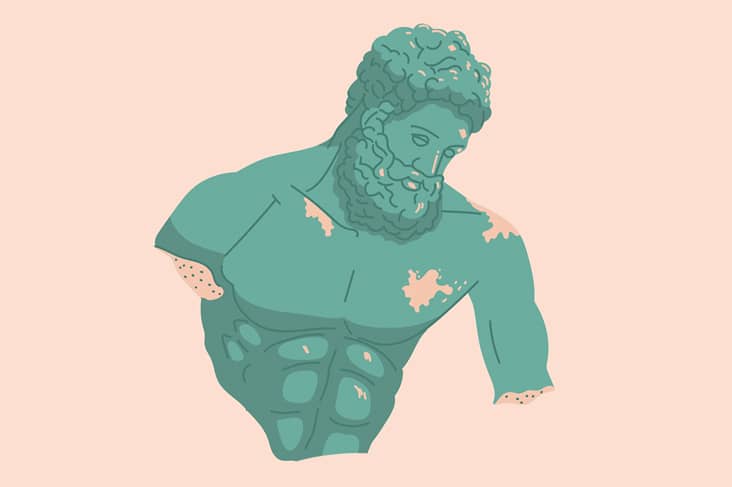
He grew up, married Megara, and had three sons — a life good enough that Hera could not tolerate it. She struck him with a madness in which he killed his own wife and children without knowing what he was doing. When the madness lifted and he understood what he had done, he tried to take his own life. His cousin Theseus talked him out of it and told him to seek atonement instead.
Hercules went to the Oracle of Delphi, who told him to serve his cousin Eurystheus, king of Tiryns and Mycenae, for twelve years, completing whatever labors Eurystheus set. Eurystheus — egged on by Hera, who wanted Hercules dead one way or another — designed each labor to be unsurvivable. Hercules survived all twelve, and came out of it the most famous hero in Greek mythology.
The 12 Labors of Hercules, in Order
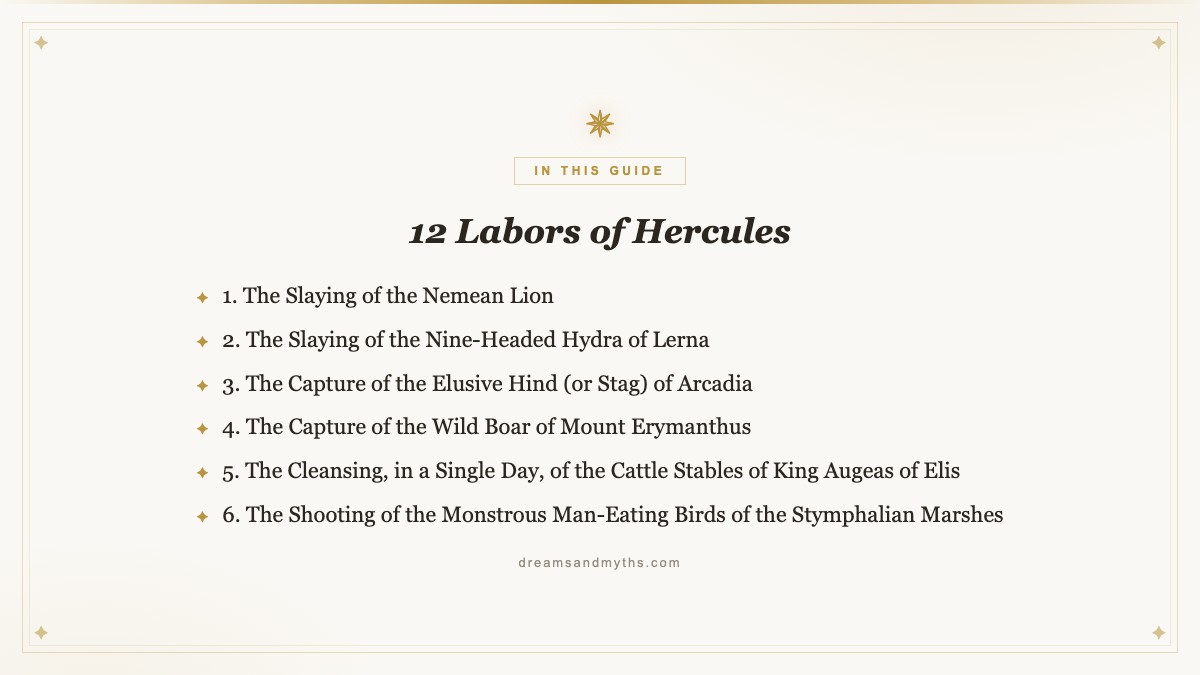
1. Slay the Nemean Lion
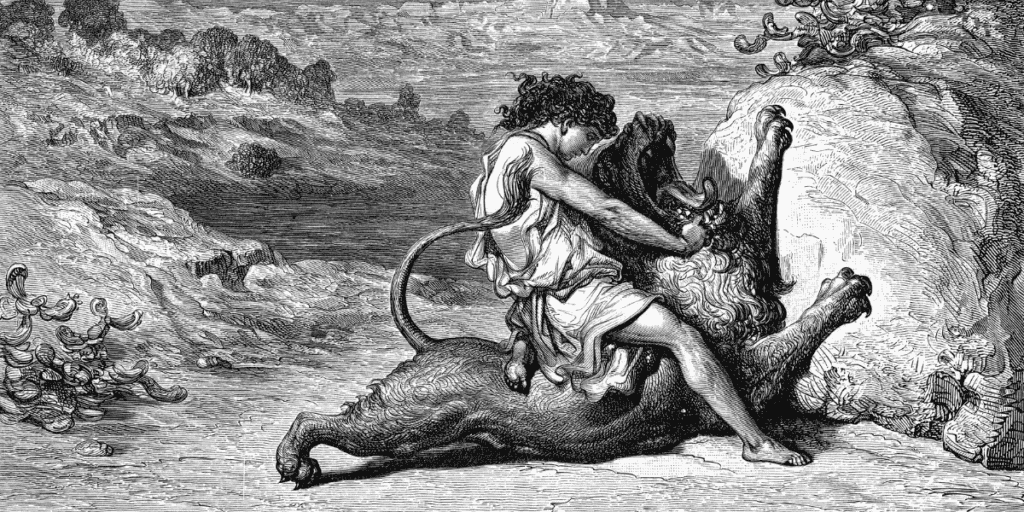
The Nemean Lion’s hide could not be pierced by any weapon — arrows, swords, and spears all bounced off it. Hercules figured that out the hard way, then cornered the lion in its cave, dropped his weapons, and strangled it with his bare hands. He skinned it using one of its own claws, since nothing else could cut the pelt, and wore the hide as armor for the rest of his labors — which is why Hercules is almost always depicted wearing a lion skin.
2. Slay the Lernaean Hydra
The Hydra was a serpent with multiple heads (accounts vary between five and nine) living in the swamps of Lerna, and one of those heads was immortal. Worse: cut off one head, and two grew back in its place. Hercules brought his nephew Iolaus along, and the two worked out a fix together — Hercules cut, and Iolaus immediately cauterized each stump with a torch before a new head could form. With the regeneration stopped, Hercules removed the immortal head and buried it under a boulder. Eurystheus later refused to count this labor because Hercules had help.
3. Capture the Ceryneian Hind
The Hind of Ceryneia was a deer sacred to Artemis, goddess of the hunt — golden-horned, bronze-hooved, and fast enough that killing it would have been simple but capturing it alive, without harming a creature under a goddess’s protection, was not. Hercules tracked it for a full year before finally catching it. When Artemis confronted him for hunting her sacred animal, he explained the labor was not his choice, and she let him carry the hind back to Eurystheus alive.
4. Capture the Erymanthian Boar
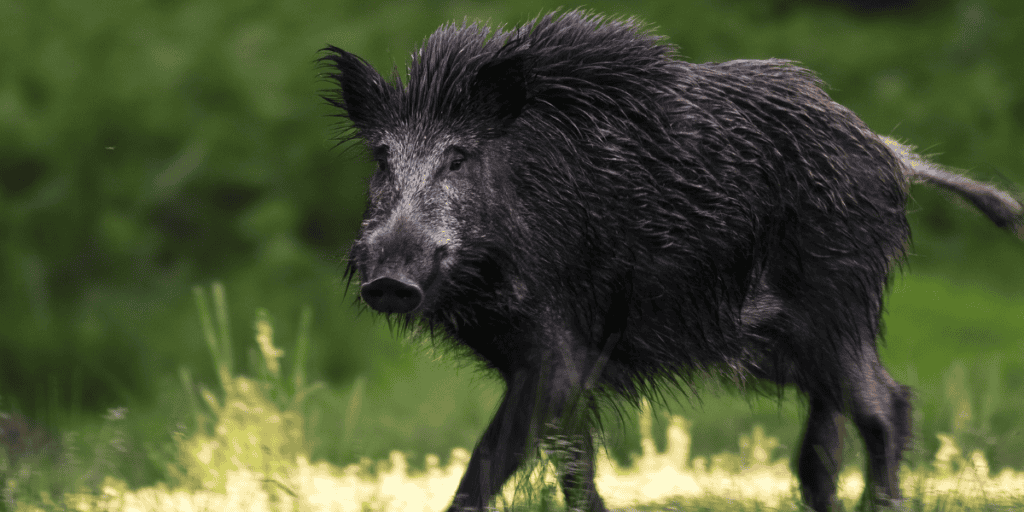
Eurystheus wanted this boar alive, not dead — a much harder ask against an animal that had been terrorizing Mount Erymanthus. Hercules chased it into deep snow, where it lost its footing, and trapped it in a net. When he delivered the live boar to the palace, the story goes that Eurystheus was so afraid of it he hid inside a large bronze storage jar.
5. Clean the Augean Stables in a Single Day
King Augeas owned thousands of cattle, and their stables had not been cleaned in thirty years. Eurystheus set Hercules the task expecting him to fail, or at least to take on a demeaning, unheroic chore. Hercules diverted two rivers, the Alpheus and the Peneus, to run directly through the stables and wash out three decades of filth in a single day. Eurystheus tried to disqualify the labor on the grounds that the rivers did the work, not Hercules.
6. Drive Off the Stymphalian Birds
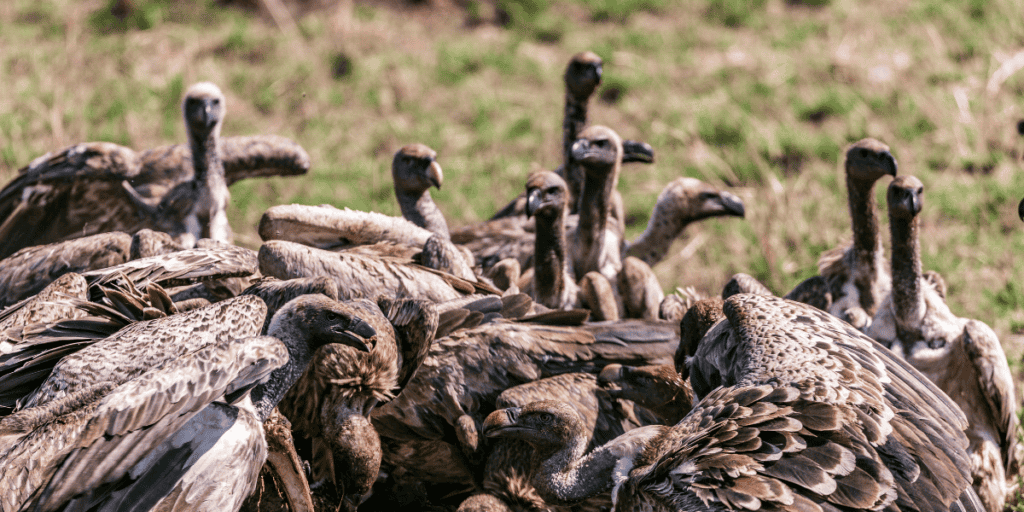
A flock of man-eating birds with bronze, arrow-sharp feathers had taken over the marshes near Lake Stymphalia, and they were too thick in the trees to flush out by hand. Athena gave Hercules a bronze rattle (forged by Hephaestus) that made enough noise to startle the birds into flight all at once. As they scattered, he shot down as many as he could with arrows tipped in the Hydra’s poisoned blood.
7. Capture the Cretan Bull
This was the bull that fathered the Minotaur — a monstrous, fire-breathing animal terrorizing the island of Crete, sent originally by Poseidon and kept by King Minos. Hercules wrestled it into submission and carried it back to Eurystheus on his shoulders. Eurystheus then released it, and the bull went on to rampage across mainland Greece until Theseus finally killed it years later.
8. Capture the Mares of Diomedes
King Diomedes of Thrace kept four man-eating mares, which he fed on the flesh of unlucky travelers. Hercules subdued them by feeding Diomedes himself to his own horses — after which, oddly, the mares became calm enough to lead back to Eurystheus.
9. Take the Belt of Hippolyta
Hippolyta, queen of the Amazons, owned a war belt given to her by Ares, and Eurystheus wanted it for his daughter. Hippolyta actually agreed to give it to Hercules willingly when he explained the labor. Hera, unwilling to let the task go that smoothly, disguised herself as an Amazon and spread a rumor that Hercules meant to kidnap the queen. In the resulting fight, Hercules killed Hippolyta and took the belt by force instead of gift.
10. Steal the Cattle of Geryon
Geryon was a giant with three joined bodies, who guarded a herd of prized red cattle with the help of a giant herdsman and Orthrus, a two-headed dog (the brother of Cerberus). Hercules killed the herdsman and the dog, then killed Geryon with a single arrow, and drove the cattle all the way back to Greece.
11. Steal the Apples of the Hesperides
The golden apples grew in a garden at the edge of the world, guarded by the nymphs called the Hesperides and by Ladon, a hundred-headed dragon. Rather than fight through the garden himself, Hercules made a deal with the Titan Atlas, who held up the sky: Hercules would shoulder the sky temporarily if Atlas — father of the Hesperides — would fetch the apples himself. Atlas agreed, retrieved the apples, and then tried to leave Hercules holding the sky permanently. Hercules talked his way out of it, asking Atlas to hold the sky again just long enough for him to adjust his cloak — then simply walked off with the apples.
12. Capture Cerberus
The final and hardest labor: bring back Cerberus, the three-headed hound that guarded the gates of the underworld, without using any weapon. Hercules descended into the underworld, secured Hades’ permission to take the beast on the condition that he use no weapons, and wrestled Cerberus into submission with his bare hands. He carried the hound to Eurystheus — who was so terrified at the sight of it that he begged Hercules to take it back — and Cerberus returned to the underworld unharmed.
What Happened After the Labors
Completing all twelve did not end Hercules’ story — it started the next chapter. He went on to join Jason and the Argonauts on part of their quest for the Golden Fleece, fought in the Trojan War era myths, and became one of the most widely worshipped figures in the Greco-Roman world: soldiers prayed to him for courage, merchants and traders for luck, and ordinary people for protection from disaster. Ancient art consistently shows him as a man of enormous physical power paired with real gentleness, undercut by occasional, catastrophic rage — the same trait that both destroyed his family and drove him through twelve labors that should have killed him.