The Greek obsession with physical fitness and general well-being goes back a long time. Not only did they give rise to that region of the world’s earliest prominent physicians, such as Hippocrates and Galen, but also they campaigned for the therapeutic qualities of exercise. In other words, they were ahead of their time.
Ancient Greece is credited with the construction of the first gymnasium in the world, giving this type of facility a history that extends back over three thousand years. Hippocrates and Galen are two historical figures that illustrate this point.
Many of the terms used in medicine today have their roots in the Greek language, including cardiology, biology, pancreas, chiropractic, glaucoma, paraplegia, and many more.
Read on to learn about Epione, the goddess of healing, and what medicine was in Greek Mythology:
Medicine in Greek Mythology
Greek mythology is a source of some of the first beliefs concerning health and sickness. Greek myths about eternal gods and goddesses were symbolic works of the ancient people’s imagination that were transmitted and replayed again.
Writers from the Minoan and Mycenaean civilizations of the 18th century B.C. likely established a precedent for the creation of mythological gods and goddesses. Unfortunately, due to the lack of written materials available, these tales had to be passed down orally.
In the ninth century B.C., myths were recorded in the mystical texts and epic poetry of Homer’s Iliad and Odyssey, marking a significant step forward.
These, together with Hesiod’s Theogony (about 700 BC) and the plays of Aeschylus, Sophocles, and Euripides from the fifth century B.C., are the most significant source for the myths and fables of the gods.
Gods And Goddesses of Greek Medicine
Our conception of the gods stems less from their actual dealings with the Greek people than from the literature that romanticizes them. Gods who shaped their well-being, beliefs, and way of life were created with unbridled, creative imagination.
Their mythology was eclectic and eventually made its way to Eastern and Western cultures. Time passed, and cults formed around stories that were secretly woven into religious dogma.
The legends of Greek gods (a term used here to encompass both male and female deities) introduce us to these figures, along with their many “minor deities,” muses, and nymphs of the sea, mountains, woods, and rivers.
The gods were immortal yet had the human traits of being either good or bad. They meddled in human matters and imposed strict observances of rites, prayers, and sacrifices. They eventually found partners and began kids, yet they continued to fight with one another.
The gods were honored by adornment with icons, emblems, clothing oddities, paintings, and sculptures.
The constellation Ophiuchus, which features a solitary serpent as its totem, is a common location for these symbols (the serpent holder). In ancient societies, serpents were fertility, rebirth, and power symbols.
It’s important to differentiate between the Aesculapian wand and other fertility-related symbols like the caduceus of Hermes and the Herald’s wand from Mesopotamia.
Historically, it stood for the professions of messenger, thief, and merchant, all of whom counted Hermes as their patron saint. However, he was neither a healer nor a protector of doctors.
The two intertwined serpents beneath Hermes’ wings became the symbol of alchemists in the seventh century, and the symbol was frequently associated with magic. However, despite its incorrect association with medicine, the caduceus was widely adopted as a symbol of the field.
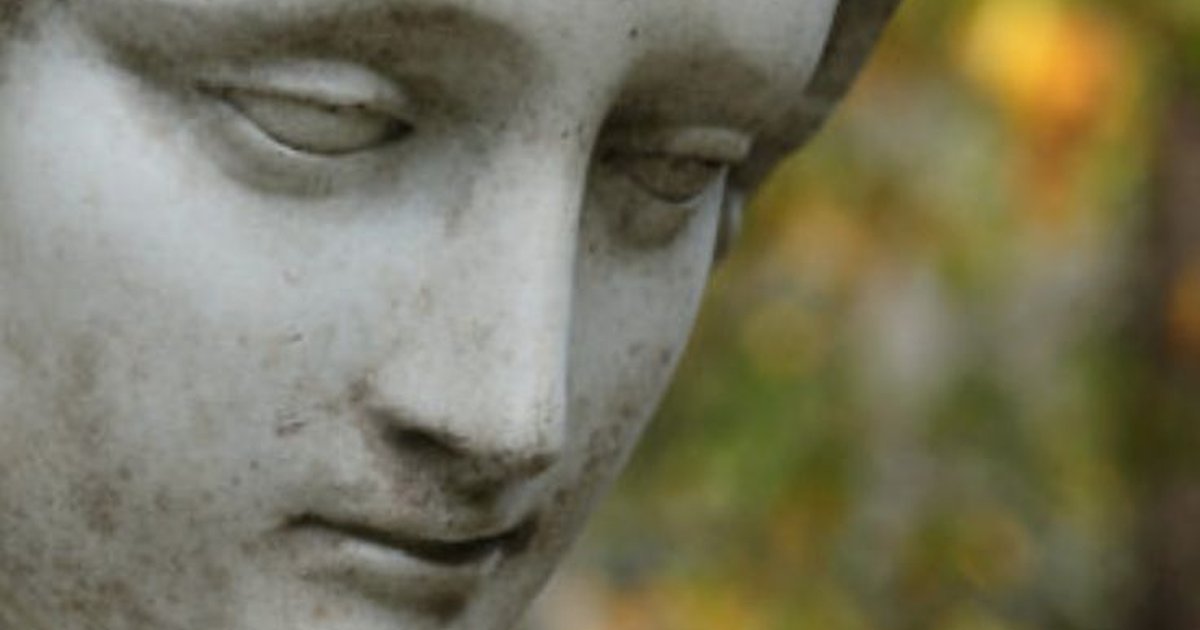
Epione – The Goddess of Healing
The Greek goddess of pain relief is called Epione. She is Asclepius’ wife (the Greek God of medicine). Their children are all involved in healthcare in one way or another. Epione needs to be better known.
This is because most of the temples and works of art have been destroyed because her country has been invaded frequently throughout history.
Greek mythology is silent about her parentage. Aside from the five daughters known as The Asklepiades—Iaso, Aegle, Hygeia, Aceso, and Panacea—whom she bore to Asclepius, the God of medicine and healing, the Goddess is also said to have given birth to Makhaon and Podaleirios.
When Philoctetes returned to the Achaean troops after being injured, Machaon and Podalirius were there to treat his wounds. For this, they were both honored as heroes of the Trojan War.
The Bottom Line
In Greek mythology, Epione is the deity responsible for alleviating pain. She has eight kids with her husband, Asclepius. Perhaps the most well-known of Epione’s progeny was HYGEA (also spelled Hygeia and Hygieia). The term “hygiene” is said to have been named after Hygea, the Greek goddess of health and cleanliness.
Related Reading
Asteria: Goddess of The Stars From Greek Mythology | The Goddess of Rainbow from Greek Mythology
Epione s Role in the Divine Medical Family
Epione s significance becomes clearer when viewed in the context of her family — perhaps the most important medical dynasty in all of Greek mythology. As the wife of Asclepius, she stood at the center of a healing tradition that shaped Western medicine for millennia.
Her daughters each embodied a different aspect of healing. Hygieia represented prevention and cleanliness (from which we derive hygiene). Panacea represented universal remedy (still used in English to mean a cure-all). Iaso was the goddess of recuperation. Aceso governed the healing process itself. Aegle represented the radiance of good health.
Her sons, Machaon and Podalirius, served as surgeons in the Greek army during the Trojan War. Homer mentions them in the Iliad as skilled healers who treated wounded warriors on the battlefield. Machaon was especially noted for extracting an arrow from Menelaus — one of the earliest descriptions of battlefield surgery in Western literature.
The Cult of Asclepius and Epione
While Asclepius received the lion s share of worship, Epione was honored alongside him at several healing sanctuaries. The most important was the Asclepeion at Epidaurus, where the sick came to be healed through the practice of incubation — sleeping in the temple to receive divine healing visions in dreams.
This practice connects Epione directly to dreamwork. The soothing quality embedded in her name extended to the nocturnal realm, where healing was believed to occur through divinely guided dreams. Patients would fast, make offerings, and sleep on special beds called klinai, hoping that Asclepius — or perhaps Epione herself — would appear in their dreams with a cure.
Archaeological evidence from Epidaurus includes inscriptions recording miraculous cures: the blind restored to sight, the lame made to walk, the infertile granted children. While modern scholars debate the historical accuracy of these accounts, they reveal a culture that saw healing as inseparable from the divine — and from dreaming.
Epione s Name and the Philosophy of Healing
The etymology of Epione s name — from the Greek epios, meaning gentle or soothing — reflects an ancient understanding of healing that has regained relevance in modern medicine. The Greeks recognized that healing requires not just the removal of disease but the restoration of comfort, peace, and wholeness.
This is the distinction between curing and healing. Asclepius cured with his serpent-entwined staff and his surgical skills. Epione healed with her soothing presence — easing pain, calming fear, restoring the patient s sense of safety and well-being. Both were necessary for true recovery.
Modern palliative care, pain management, and the growing recognition of the mind-body connection in medicine all echo Epione s domain. She represents the compassionate side of medicine — the bedside manner, the gentle touch, the reassurance that suffering will pass.